Obtain your WEMT, Rope Rescue Technician Certification or WEMS Certification
Start your training any semester in accelerated or traditional formats
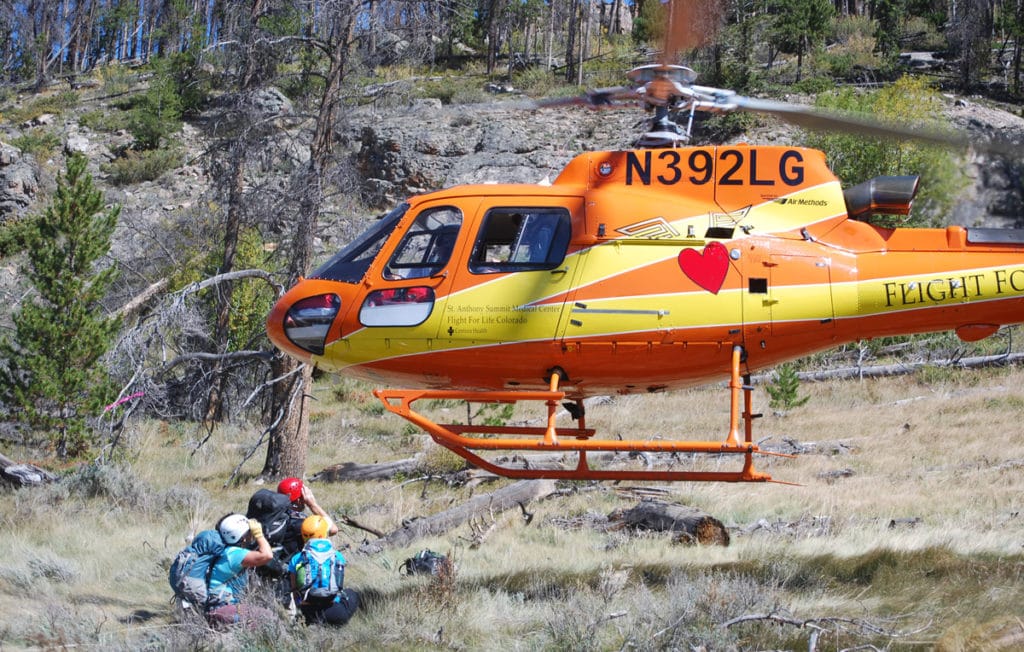
CMC’s Wilderness EMS Certification program is a technician-level wilderness rescue medicine program for individuals who want to work as WEMTs in the specialty fields of search & rescue, ski patrol, special operations, backcountry rangers or as wilderness guides.
The certification program consists of stackable credentials to meet your individual training goals for employment. Stackable credentials within the Wilderness EMS program consists of:
- Wilderness Medical Professional
- Rope Rescue Certification
- WEMS Certification Diploma
We recommend students start with the Wilderness Medical Professional Certification (Wilderness EMT-IV Certification), which gives them the credentialing to work as a Wilderness EMT.
Students can then continue developing their skills by taking rescue courses, Rope Rescue Certification, and completing their WEMS Certification Diploma.
Request Program Information
Accelerated Pathways
Want to fast-track your wilderness medical or wilderness rescue education? The CMC WEMS department offers an accelerated 7-week Wilderness Medical Professional Certificate each May/June and a 7-week rescue seminar each March/April.
Traditional Pathway
Earn your EMT: Rope Rescue Technician Certification and/or the over 3-semesters (1 year). Start with the semester-long EMT certification in the fall or spring semesters, then complete the rope rescue certification or full WEMS Certification over the subsequent two semesters.
Already have your EMT?
Start with us any semester if you already have your EMT. Enroll in the Rope Rescue Certification or Wilderness EMS Certification to obtain your certifications in wilderness rescue and complete your training in a semester or less.
The Wilderness Emergency Medical Services (WEMS) Certificate is offered at:
- Breckenridge: Mostly in-person
Program Learning Outcomes are what we expect each student will learn while earning a degree or certificate. Meeting these learning outcomes is how we assess our performance as a college. Our learning outcomes support both important career skills and future success as a student.
Upon completing the Wilderness Emergency Medical Services (WEMS) Certificate program, CMC students will be able to:
- Employ leadership, sound judgment and good decision-making skills when leading, guiding or rescuing others in a wilderness, austere or technical environment.
- Utilize critical thinking skills in a potentially austere environment, so that the rescuer, teammates, bystanders and patients remain as safe as possible at all times.
- Prepare safe wilderness travel plans for a variety of remote and technical environments (Rock, ice, Snow, swiftwater, Mountain).
- Demonstrate competency in wilderness travel skills in a variety of remote and technical environments (Rock, ice, Snow, swiftwater, Mountain).
- Demonstrate competency in technical rescue skills in a variety of remote and technical environments (Rock, ice, Snow, swiftwater, Mountain) at a technician level.
- Organize, manage and safely execute all aspects of wilderness medical care including: scene management; patient assessment; medical, trauma and environmental injury management; and patient evacuation, at the wilderness EMT level of care.
- Develop an understanding of professional practices, communications, organizations and career opportunities in the field of wilderness rescue medicine.
- Improvise techniques and resource management to safely provide patient care, rescue and evacuation with limited personnel, equipment and communication.
Careers for Certified Wilderness EMTs
A certificate from CMC's Wilderness Emergency Medical Technician program makes the great outdoors your workplace.
The outdoor industry is a growth industry. And the field of medical training for outdoor professionals is in a tremendous growth phase. A huge demand currently exists for wilderness medical training, both EMT and EMS.
Government and private land managers are requiring a “wilderness” certification along with the pre-hospital training. These organizations and businesses include the National Park Service and Bureau of Land Management, ecologists and foresters, guides, outdoor education counselors and outfitters.
In addition to outdoor and recreational positions, the certified WEMS is trained and qualified as an EMT or in EMS to work in a traditional “urban” setting as well.
The need for expedition medical support ranging from paramedics to physicians is also on the rise as popular high-altitude expeditions to places like Everest, Denali and Kilimanjaro. Expeditions in general are on the rise as more people search for the ultimate “high-risk” adventure. If you're an EMT or have EMS training, a world of job and career possibilities are open to you.
Life after WEMS
After graduating our students are likely to be found…
- Working as a ski patroller and EMT at a local ski area
- An active team member for Summit County Search and Rescue
- Working as an EMT in a local mountain clinic to gain more medical experience
- Working as park rangers in state and federal parks
- Working as medical and wilderness rescue educators
- Working as an outdoor educator or guide (raft guiding, climbing, mountaineering)
- Joining the special forces to become an army medic, ranger or PJ
- Continuing their education and getting their paramedic certification
Avalanche & Alpine Rescue Course Equipment
Backcountry Navigation Course Equipment
Rope Rescue Course Equipment
Survival Student Equipment List
Recommended Clothing & Equipment for WFR/Wilderness EMT Upgrade
Clothing List
- Shorts
- T-Shirts (it’s wise to bring some long-sleeve shirts for sun protection)
- Long Underwear Top/Bottoms (for cold mornings or cold nights)
- Fleece or Mid Weight Jacket
- Long Pants
- Rain Jacket & Pants or Poncho
- Sandals
- Hiking Boots, running shoes or approach shoes
- Socks
- Sun hat
- Winter hat
- Light weight gloves
- Underwear
- Bathing suit
- Bandanna
- Pajamas
- Sunglasses
- Towel
Equipment List
- Don’t forget food. Moab is about a 10 minute drive if you need anything.
- Expedition backpack or duffels for your gear
- Shelter: Tent, tarp, bivy or you can sleep in your vehicle or camper if you have one
- Old rug or matt for outside your tent to help keep sand out of tent
- Sleeping bag: rated to 30-50F should be warm enough
- Sleeping pad: lots of natural sharps so bring a repair kit if you are using an air mattress
- Cooking supplies
- stove & fuel, cook set, mug/bowl/spork
- cooler for food that needs to be refrigerated
- plastic container for dry food storage (to keep animals out)
- 2 quart sized water bottles or hydration bladder (no glass please)
- Pocket knife
- Headlamp with extra batteries
- Toiletries
- TP, tooth bush, toothpaste, contacts/solution
- prescription glasses, purell &/or soap
- personal medications &/or femine products
- Sunscreen (lots of it!)
- Daypack
- Personal First Aid Kit
- personal medications & Band-aids
- Crazy Creek or camp chair
- Lantern if you have one
- Cordage for hanging clothes to dry, lashing tent down, etc.
- Wallet with ID, cash, debit card (for food, drinks, gas, going to t
- Camera & Film
- Your EMT book or other medical books you may want as reference
- Notebook with several pens or mechanical pencils
- Gear for after hours:
- Climbing or bouldering gear
- Biking equipment
- Rafting or kayaking equipment
- Canyoneering gear
- Maps of area
- Etc…
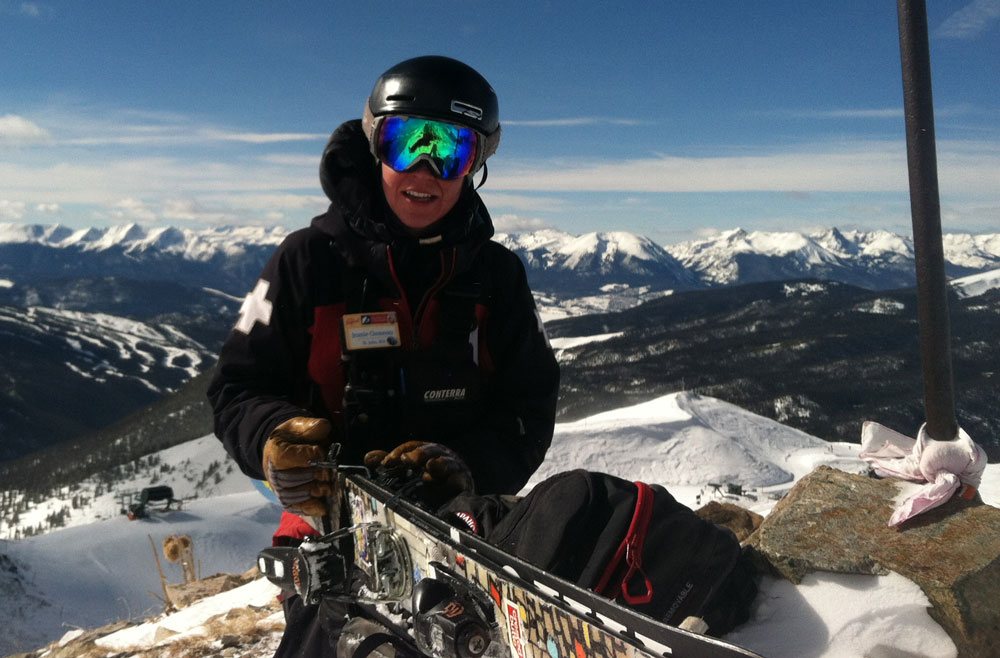
"This Refresher Course was AWESOME! The most comprehensive wilderness medicine class I have ever taken. I greatly enjoyed repeated exercises and learning about: King airways, ALS airways in general, ALS interventions and assists, innovative splinting and packaging and medication administration.
"All the instructors were calm, obviously knowledgeable and thoroughly enjoyable to listen to and learn from. The real-life anecdotes were great to hear; a perfect balance of seriousness and humor was upheld every minute.
I am totally going to take my WEMT refresher from you guys (will aim to join you in Moab!) in the next 2 years. Not only did I literally get “refreshed” on things I needed, but have been re-inspired about this field and way of life."
THANK YOU!
Jeanie Clements
Arapahoe Basin Ski Patroller
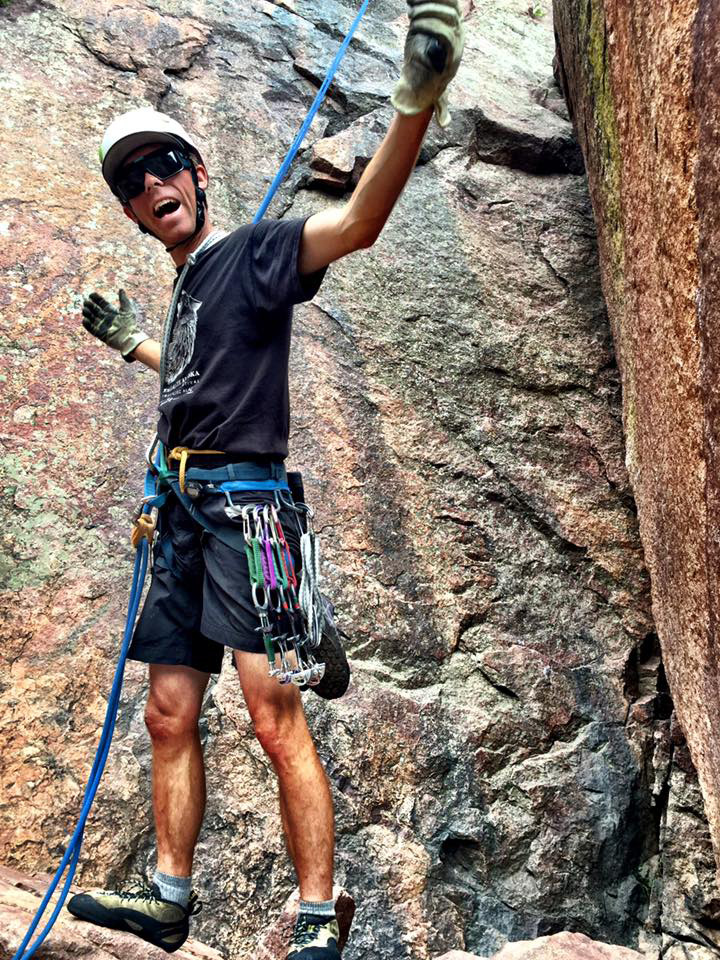
“The WEMS program at CMC Breckenridge prepared me to take my career to the next level. It gave me the foundation necessary to work in mountain ranges across the western US.
Whether I’m navigating with clients across enormous glaciers to the summits of active volcanoes in the Cascades, instructing new rock climbers how to belay on the classic crags in Clear Creek Canyon or backpacking with outdoor education students through the Fossil Ridge Wilderness, I am confident the highly experienced faculty at CMC prepared me to provide a safe and rewarding experience.”
– Jere Burrell
All or part of this operation is conducted on Public Lands and Waters under special permits and agreements from the U.S. Forest Service, U.S. Bureau of Land Management, National Park Service, and Colorado Parks and Wildlife.